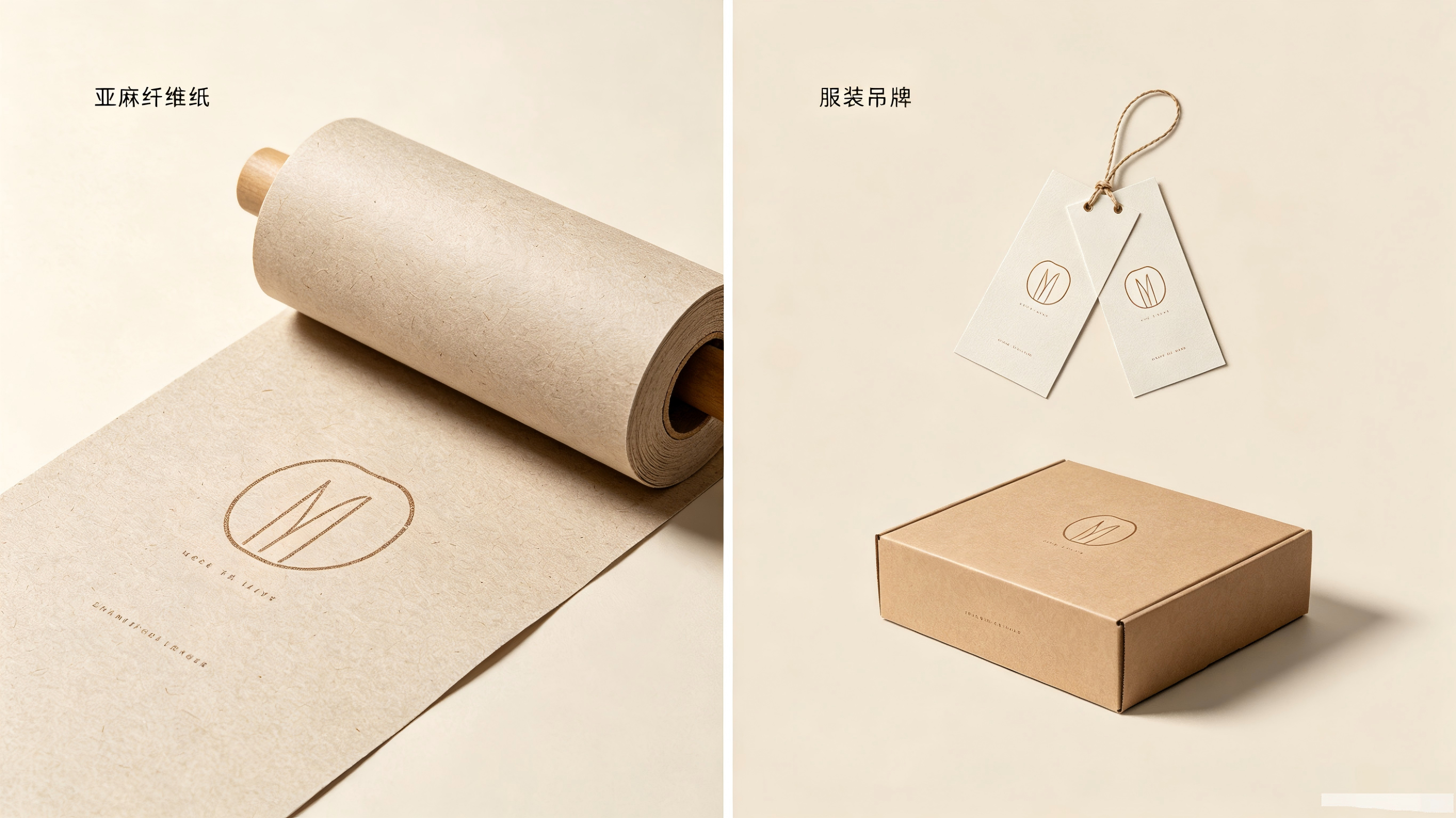
Recently, many apparel brands have approached us to create hangtags and packaging using linen fiber paper, and their reasons are consistent: it’s eco-friendly, has a premium texture, and offers a compelling brand story.
However, the first batch of samples all had the same issues—either they cracked after a few folds, or they felt damp with extremely poor breathability.
If an eco-friendly material can’t even fulfill basic functions, its “story” is just empty talk.
We partnered with a sustainability-focused apparel brand to switch their hangtags from standard recycled paper to linen fiber paper.
The data speaks volumes: MIT folding endurance increased from less than 90 cycles to over 120 cycles. Outdoor weathering tests showed fading and embrittlement rates were nearly 30% slower, and we successfully obtained the OEKO-TEX 100 certification.
But all this is only possible if the printing process is tailored to this unique paper.
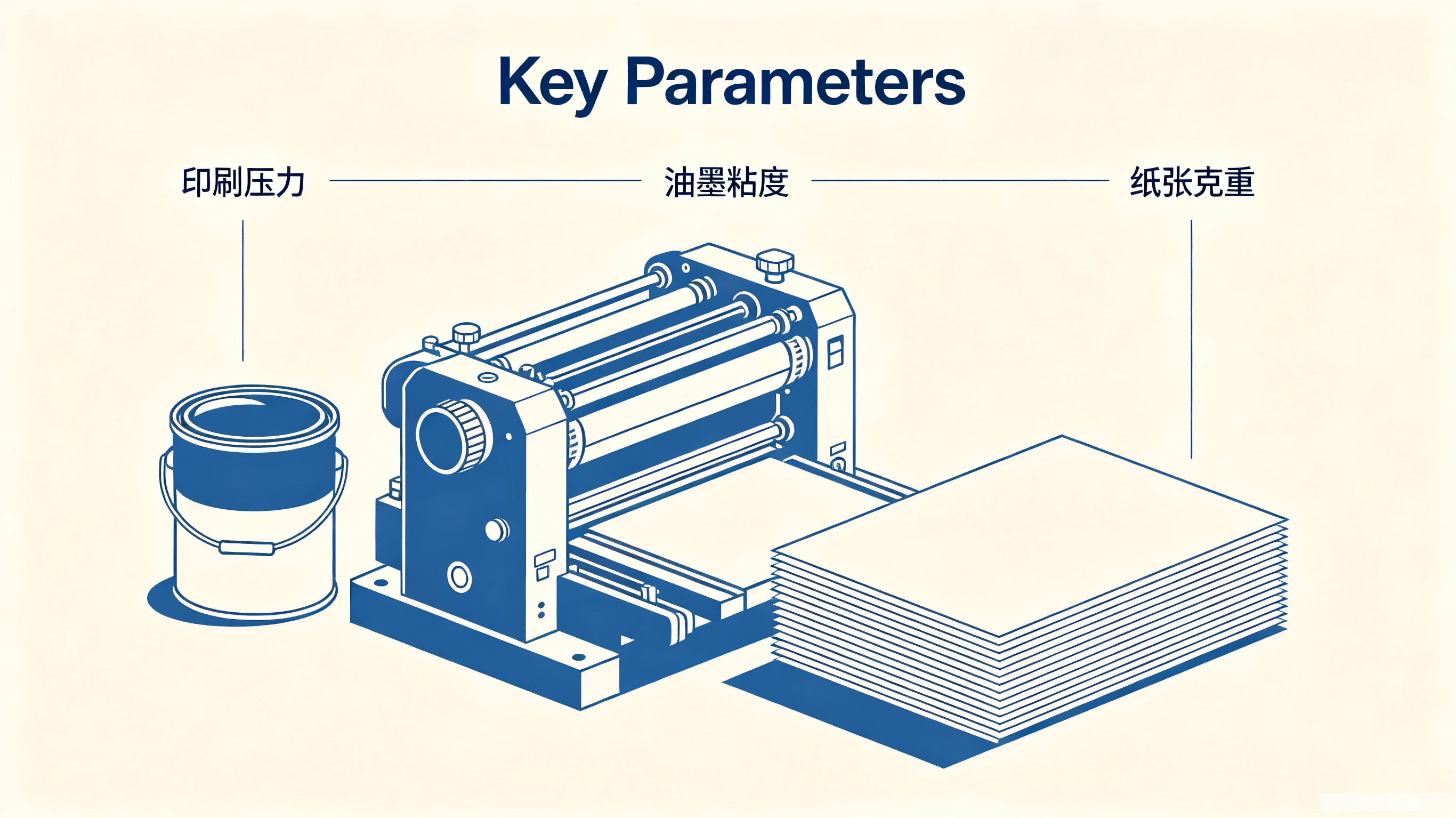
Key Parameters: Small Deviations Lead to Big Differences
1. Paper Quality is the Foundation
-
Basis weight: The safest range is 130-160 g/m². Too thin, and the paper lacks sufficient strength; too thick, and it compromises hand feel and foldability. Before production, conduct mandatory tests—data from the folding endurance tester and air permeability tester must meet standards (folding endurance ≥120 cycles, air permeability 280-320 cm³/min).
2. Ink Viscosity is the Critical Factor
-
Regular water-based ink tends to cause scumming and linting. Low-viscosity water-based ink is a must, with viscosity controlled at 28-32 seconds (tested with Zahn cup #4). If viscosity is too high, ink penetration is poor, and surface film formation impairs breathability; if too low, color saturation is insufficient.
3. Printing Presses Need a “Gentle Touch”
-
Anilox roller: Choose one with 220-240 lines per inch. Too high a line count results in insufficient ink transfer; too low, and the ink layer is too thick to dry quickly, which also compromises paper performance.
-
Drying temperature: 55-60℃ is the optimal range. Too high, and linen fibers lose moisture too quickly and become brittle; too low, and the ink won’t dry properly.
-
Delivery tension: Set it to around 4-5 Newtons (N). Excessive tension can cause the paper to lint or even tear during transport.
Simply Put, It’s All About Balance
To achieve high folding endurance, the paper structure needs to be denser, but this may impair breathability. For better breathability, paper fibers are arranged more loosely, which puts folding endurance to the test.
Our experience shows that by precisely controlling ink viscosity and the drying process, we can “extract” maximum performance at this balance point. The success of that apparel brand’s hangtags is the direct result of this balanced set of parameters.
When testing new eco-friendly papers, what’s the most frustrating process issue you’ve faced? Is it printability or post-processing?