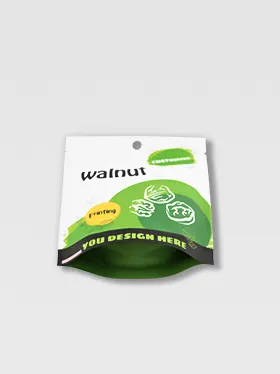
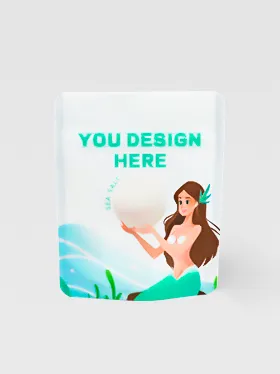
You’ve definitely seen packaging like this: it looks great on the shelf, but falls apart the second you open it, or requires Herculean effort to pry the lid off.
The problem almost always lies in the structure.
We’ve talked to countless designers and brand owners, and the same dilemmas keep coming up: wanting a more innovative structure but fearing skyrocketing costs; trying to keep costs low but worrying the packaging will break at the slightest touch, ruining the user experience.
It’s all a balancing act. Today, we’re skipping the fluff and diving straight into some of the most common structures, breaking down their pros and cons.
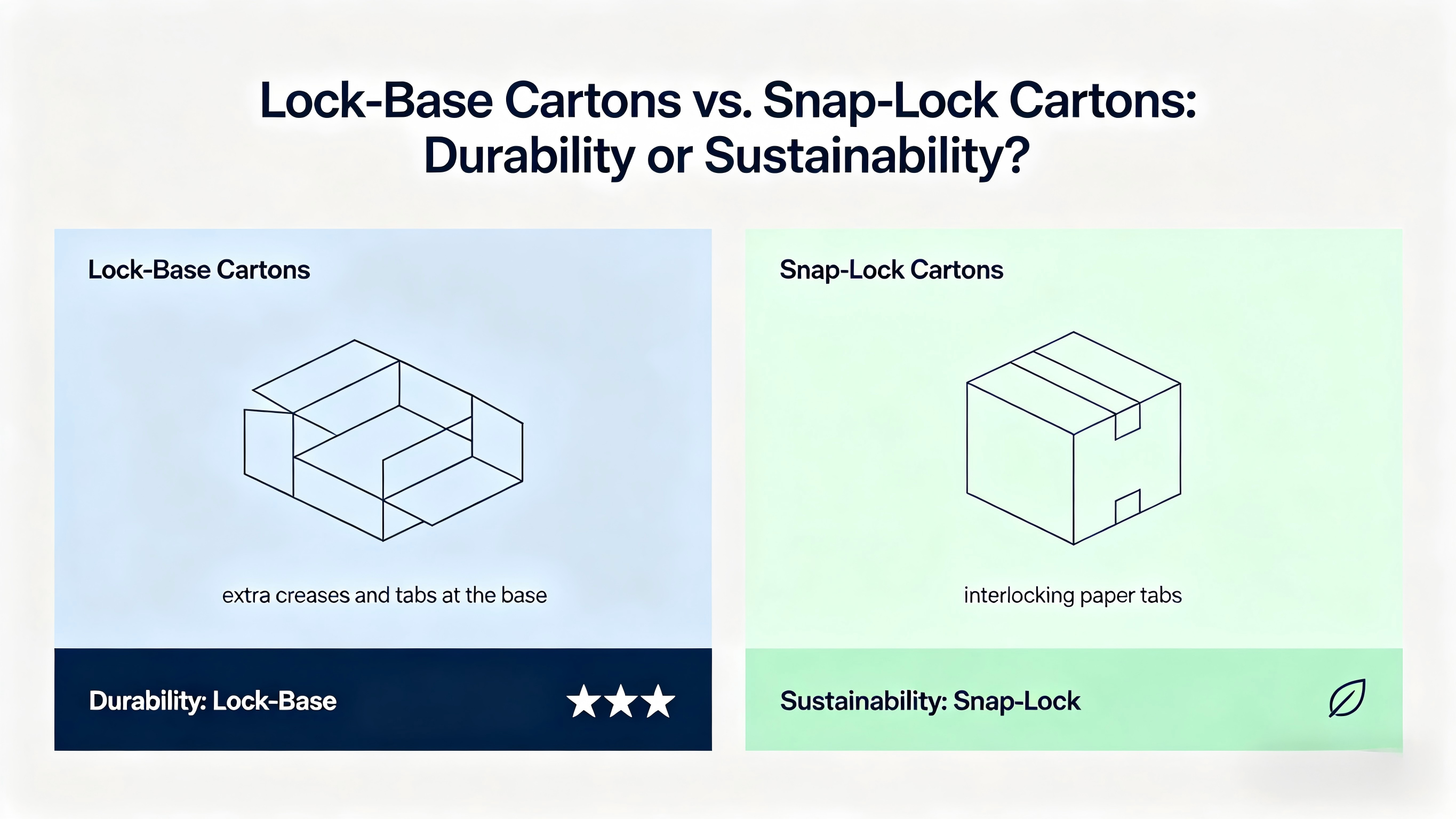
1. Lock-Base Cartons vs. Snap-Lock Cartons: Durability or Sustainability?
-
Lock-Base Cartons: Extra creases and tabs at the base act like a built-in lock. They’re incredibly sturdy, keeping heavy items secure. The tradeoff? They use an average of 15% more material, and require more complex die-cutting.
-
Snap-Lock Cartons: No glue required—they rely on interlocking paper tabs for easy assembly, making them fully sustainable. However, they have a weight limit; overloading them with heavy products (like a stack of hardcover books) can cause them to split open.
Which one should you choose? Go with a lock-base carton if your product is heavy or needs to withstand long-distance shipping. For lightweight gifts or beauty products, the sustainability and ease of snap-lock cartons are major selling points.
2. Mailer Boxes: E-Commerce’s Space-Saving Champion
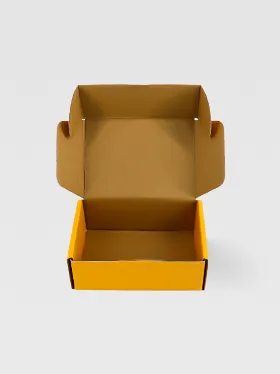
These are practically the gold standard for e-commerce shipping. With a simple structure that lays flat as a single sheet of cardboard, they save massive amounts of storage and shipping space. They also assemble in seconds. However, their open-top, tube-like design means they’re not ideal for products that need full sealing or frequent opening/closing. They’re built for one-time, secure shipping.
3. Tuck-Top Cartons: Watch Out for That 1-2mm Tolerance
These are the classic top-and-bottom tuck-style cartons. Seems simple enough? The biggest pitfall lies in lid fit. A lid that’s too tight is impossible to pry open; one that’s too loose feels cheap. The secret? A 1-2mm clearance gap. This gap needs to be calculated precisely based on paper thickness and lamination—laminated paper is smoother and thicker, so the gap should be slightly larger. Don’t underestimate this small space; it makes all the difference between a smooth, satisfying unboxing experience and a frustrating one.
Common Pitfalls to Avoid:
-
Window Placement: Never position a window over a main crease. Cardboard becomes extremely fragile at repeatedly folded areas, and the window will almost certainly tear. Shift the window slightly to the side instead.
-
Handle Design: It’s not just about cutting a hole. The edges of the hole need reinforcement, and the shape should be rounded (think about how uncomfortable a sharp plastic bag handle is). Also, calculate your product’s weight—for heavy boxes, a paper-only handle isn’t feasible; consider adding a rope or plastic handle instead.
-
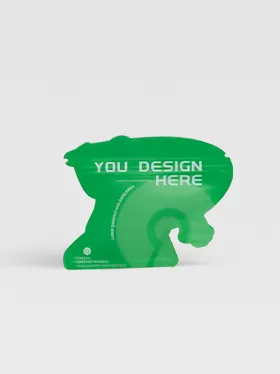
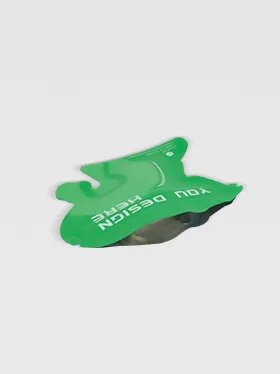
Custom Shapes: Heart-shaped, house-shaped, or other unique designs definitely stand out. But every non-standard fold or curve means more complex die-cutting, higher costs, and lower production efficiency (more waste from misprints or misfolds). Is it worth it? First, calculate if the boost to brand recognition will offset the additional costs.
Finally, the Foundation: Die-Cutting
No matter how beautiful your structural design is, it all comes down to the die-cutting lines. Smooth, precise lines ensure clean creases, easy assembly, and no sharp, snaggy edges. A poorly made die can ruin even the most thoughtful design.
At the end of the day, no single structure is perfect. The best design strikes the right balance between cost, functionality, user experience, and brand identity. Before your next prototype, ask yourself: What kind of protection does my product need most? How will users open it? Will the extra cost deliver equivalent value?
Want to discuss which structure is best for your specific product? Feel free to reach out anytime—our design team offers free structural advice tailored to your needs.